





In Australia, there are two nationally recognised periods each year that focus on Aboriginal and Torres Strait Islander peoples, cultures, and histories: Reconciliation Week and NAIDOC Week. While they are often mentioned together and share complementary goals, they are not the same. Each has a distinct purpose, history, and focus, and understanding the difference is an important step towards meaningful cultural awareness.

Both weeks provide opportunities for reflection, learning, and action—but they invite Australians to engage in different ways.
Understanding Reconciliation Week
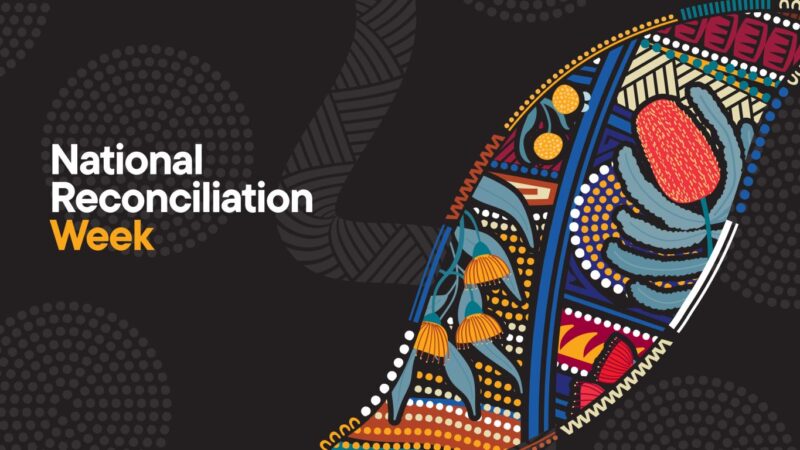
Reconciliation Week runs annually from 27 May to 3 June, marking two significant milestones in Australia’s reconciliation journey: the 1967 Referendum and the Mabo decision. These dates symbolise major shifts in the recognition of Aboriginal and Torres Strait Islander peoples’ rights and place within Australian society.
At its core, Reconciliation Week is about strengthening relationships between Aboriginal and Torres Strait Islander peoples and non-Indigenous Australians. It encourages honest conversations about the past, acknowledgement of historical injustices, and practical steps towards a more equitable future.
Many schools, workplaces, and community organisations use this time to reflect on their role in reconciliation—whether through education, policy changes, or cultural engagement. Activities often include learning sessions, storytelling, cultural workshops, and discussions around respect, trust, and shared responsibility.
You can learn more about the cultural foundations and deeper meaning behind this time by exploring Reconciliation Week and its connection to Country, ancestors, and living culture.
What is NAIDOC Week?
NAIDOC Week is celebrated later in the year, usually in early July, and has a different emphasis. Rather than focusing on reconciliation between Indigenous and non-Indigenous Australians, NAIDOC Week is a celebration by Aboriginal and Torres Strait Islander peoples for everyone.
NAIDOC stands for the National Aborigines and Islanders Day Observance Committee, and the week has its roots in early 20th-Century Indigenous-led activism. Today, it is a time to celebrate the history, culture, and achievements of Aboriginal and Torres Strait Islander peoples across Australia.
Each NAIDOC Week has a specific theme, chosen to reflect current priorities, strengths, or aspirations of First Nations communities. Events often include flag-raising ceremonies, cultural performances, art exhibitions, award ceremonies, and community gatherings that showcase resilience, leadership, and cultural pride.
What are the Key Differences Between Reconciliation Week and NAIDOC Week?
While both weeks promote awareness and understanding, their intentions and tone are distinct.
- Purpose: Reconciliation Week centres on improving relationships and addressing the ongoing impacts of colonisation. It asks all Australians to consider how reconciliation can be actively supported. NAIDOC Week focuses on celebration—honouring culture, survival, and achievement, while amplifying Aboriginal and Torres Strait Islander voices.
- Perspective: Reconciliation Week is a shared national reflection that invites non-Indigenous Australians to listen, learn, and take responsibility. NAIDOC Week is Indigenous-led and highlights self-determination, cultural continuity, and community pride.
- Activities: During Reconciliation Week, activities often include educational workshops, policy discussions, and reflective initiatives within organisations. NAIDOC Week activities are more celebratory, with festivals, performances, storytelling, and awards recognising excellence within First Nations communities.
Why Both Weeks Matter
Reconciliation Week and NAIDOC Week are not interchangeable—and they are not in competition. Instead, they work together to deepen understanding and foster respect. Reconciliation Week creates space for difficult but necessary conversations about history, truth-telling, and systemic change. NAIDOC Week reminds Australia of the strength, diversity, and richness of the world’s oldest continuing cultures.
Engaging meaningfully with both weeks helps move beyond symbolic gestures and towards genuine respect, inclusion, and partnership. Whether through learning about history, attending community events, or reflecting on personal and organisational responsibilities, each week offers a chance to contribute to a more informed and connected Australia.
Moving Forward with Purpose
Understanding how Reconciliation Week differs from NAIDOC Week allows individuals, schools, and organisations to engage more thoughtfully with both. One invites reflection and action towards justice and equity; the other celebrates culture, survival, and achievement. When approached with sincerity and respect, both weeks become powerful opportunities—not just to acknowledge the past, but to shape a better shared future.





Join our Channel...