





For millions of Africans, planning an event is still an exercise in coordination by WhatsApp, spreadsheets, phone calls, personal recommendations and, often, sheer patience. The essence of effective event planning software has become increasingly important, and this is where EventRollers, an all-in-one event planning platform, is redefining Africa’s EventTech landscape.
A wedding can require dozens of vendors. A conference may involve venues, speakers, caterers, exhibitors, ticketing, media teams and transportation. A cultural celebration can involve even more layers of people, protocol and logistics.
The problem is not that Africa lacks event planners or event-service providers. It is that the ecosystem remains highly fragmented.
This is where EventRollers presents an interesting proposition.
The web-based platform brings event discovery, ideas, service providers and event-management capabilities into a single digital environment. Its public platform allows users to explore vendors across categories including catering, decoration, entertainment, media and photography, event organisation, public relations, tourism and other event-related services.
Its stated philosophy is straightforward: simplify some of the most difficult decisions involved in planning an event — from finding vendors and venues to choosing themes and getting ideas from events that have already taken place.
That proposition may sound simple. In the African market, however, it becomes significantly more powerful when combined with artificial intelligence.
The African event industry has a coordination problem
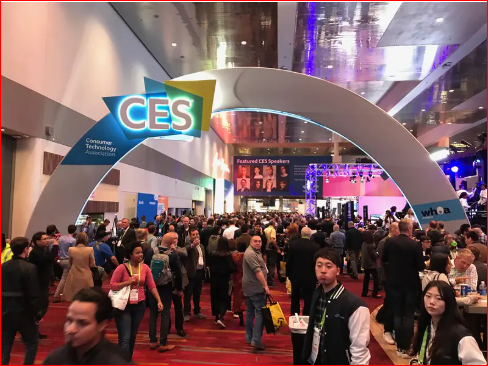
Events are big business across Africa.
From Lagos weddings and Accra conferences to Nairobi exhibitions, Kigali cultural celebrations, Johannesburg entertainment events and diaspora gatherings across Europe and North America, events generate demand for hundreds of interconnected services.
Yet the organiser frequently becomes the integration layer.
The venue may have one communication channel. The caterer has another. The decorator works through WhatsApp. The photographer sends a separate quotation. The DJ has a different contract. Guests receive invitations through multiple channels, while the organiser maintains a spreadsheet to determine who has paid, who has confirmed and who has not responded.
This creates an environment in which information is everywhere but coordination is nowhere.
EventRollers’ underlying concept addresses part of this problem by connecting event organisers with service providers through a digital marketplace. Its vendor directory demonstrates the breadth of categories that can participate in the ecosystem, including Nigerian vendors in locations such as Lagos, Abuja, Enugu and Warri, alongside providers in the United Kingdom and elsewhere.
The significance is bigger than a vendor directory.
It creates the foundation for an event operating system.
From vendor marketplace to event operating system
The real strength of EventRollers lies in bringing multiple stages of event planning into one digital environment.
Rather than forcing an organiser to move between different platforms for vendor discovery, planning, guest management, ticketing, contracts, schedules and communications, the EventRollers model brings these activities closer together.
Artificial intelligence adds another important dimension.
The platform’s AI capabilities can help transform event planning from a largely manual process into a more intelligent and data-driven workflow.
The AI opportunity is not simply to add a chatbot.
It is to make the platform capable of understanding an organiser’s objective and helping coordinate the planning process around it.
Imagine an organiser entering:
“I am planning a traditional wedding in Enugu for 500 guests with a ₦15 million budget.”
An intelligent EventRollers workflow can help turn that objective into a structured event plan — from identifying requirements and suitable vendors to considering budgets, timelines, guest management and other operational needs.
Instead of searching through dozens of disconnected services, the organiser can work from a coordinated digital environment.
That is where the real revolution begins.
AI can turn an idea into an executable event plan
Traditional event software largely expects the organiser to know what to do.
AI can reverse that relationship.
The organiser provides the objective; the system helps determine the steps.
An AI-assisted EventRollers workflow can take into consideration factors such as:
- Event type
- Location
- Date
- Number of guests
- Budget
- Event requirements
- Desired experience
- Vendor preferences
- Theme and colour direction
- Ticketing requirements
- Scheduling needs
From those inputs, the planning process can become much more structured.
For a conference, that could mean identifying venue requirements, considering seating capacity, creating session structures, organising speaker-management workflows and preparing registration requirements.
For a wedding, it could mean organising vendor categories, budget allocations, guest-management tasks, timelines and procurement checkpoints.
For a corporate event, it could help structure speakers, schedules, invitations, registration and post-event engagement.
The human planner remains in control.
AI becomes the planning assistant.
The power of connected workflows
The biggest advantage of an all-in-one platform is not necessarily the number of features it contains.
It is the ability to connect those features.
Consider a simple example.
An organiser changes the event date from September 12 to September 19.
In a fragmented system, the organiser may have to contact the venue, photographer, caterer, decorator, entertainment provider, guests and other stakeholders individually.
In a genuinely integrated event-management environment, a date change can become a trigger for reviewing affected schedules, responsibilities and communications.
AI can go a step further by helping identify consequences that a human organiser may overlook.
That is the difference between digitising event planning and intelligently managing event planning.
E-ticketing brings registration and attendance into the workflow
Ticketing is another area where an integrated EventRollers ecosystem has enormous value.
For conferences, concerts, exhibitions, workshops and other paid events, digital ticketing can connect registration directly to attendance.
Instead of treating ticket sales as a separate service, an all-in-one system can bring together:
Event creation → promotion → registration → payment → e-ticket → attendance.
The organiser therefore gains a more connected view of the event lifecycle.
Digital ticketing can also simplify attendee access and reduce dependence on paper-based processes.
For large events, the value extends further because registration and ticketing information can help organisers understand attendance and prepare more effectively for the event.
The result is a shift from simply selling tickets to managing the attendee journey.
Contracts and vendor management
Perhaps one of the most overlooked aspects of event technology is vendor administration.
Finding a photographer is easy compared with managing the relationship after the photographer has been selected.
There may be quotations, contracts, deposits, payment schedules, deliverables, deadlines, revisions and cancellation conditions.
EventRollers brings contract management into the broader event-planning workflow, helping organisers keep important agreements and vendor relationships within the event environment.
For professional planners, this can significantly reduce administrative fragmentation.
A vendor can be connected to the event.
The agreement can be managed digitally.
Responsibilities and payment milestones can be tracked.
Important obligations can be easier to identify.
This is particularly valuable in an industry where important commercial information can otherwise disappear inside long WhatsApp conversations and scattered email threads.
Scheduling and task management
Every event has a clock.
The venue must be prepared before guests arrive.
The decorator needs access at a specific time.
The caterer needs to know when setup begins.
The photographer needs the programme.
Speakers need to arrive before their sessions.
Entertainment must be coordinated with the running order.
EventRollers’ event-management approach brings schedules and planning tasks into the digital workflow, giving organisers a more structured way to manage timelines and responsibilities.
For complex events, this can be especially valuable.
A schedule should not merely be a document that sits in someone’s inbox.
It should be part of the operational system managing the event.
Africa needs technology that understands the African event economy
There is another reason platforms such as EventRollers matter.
Africa is not a single market, and African events are not culturally interchangeable.
A Nigerian wedding is not a Ghanaian wedding. A Kenyan conference does not necessarily operate like a South African conference. Cultural ceremonies, religious celebrations, community events and diaspora gatherings all have different expectations.
Even within one country, the event economy is influenced by language, culture, geography, purchasing power and local business networks.
This makes local vendor intelligence particularly important.
EventRollers’ vendor structure demonstrates the possibility of organising providers according to service categories and locations.
With AI-assisted recommendations, such structured information becomes even more useful.
An organiser should not merely be given a list of 50 caterers.
The more useful question is:
Which caterers are relevant to this event, in this location, at this scale and within this budget?
That is a fundamentally different experience.
The opportunity extends beyond weddings
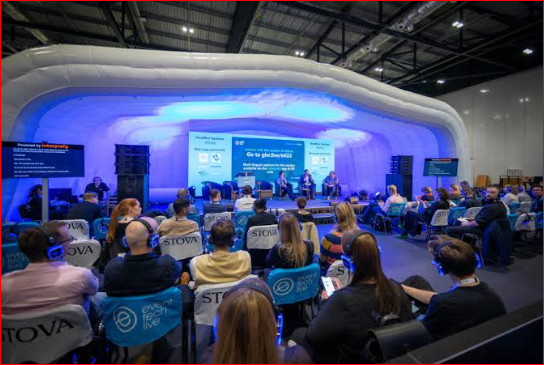
Africa’s event economy is much larger than social celebrations.
There are:
Corporate events.
Technology conferences.
Government programmes.
Trade exhibitions.
Music concerts.
Religious gatherings.
Cultural festivals.
University events.
Professional networking events.
Political and community programmes.
Diaspora celebrations.
EventRollers’ platform describes its intended scope broadly, covering everything from birthdays and weddings to conferences and other event types.
That breadth is important because an all-in-one platform becomes more valuable as the number of event types and service providers increases.
AI can create a smarter marketplace for African event businesses
There is an equally important story on the vendor side.
Africa has thousands of photographers, decorators, caterers, DJs, event managers, designers, makeup artists, entertainers, printers and other specialists operating as small and medium-sized businesses.
Many depend heavily on referrals and social media visibility.
A digital event ecosystem gives these businesses another structured channel to reach people who are actively planning events.
EventRollers’ vendor directory brings providers together across multiple service categories and locations.
AI can make the relationship between organisers and vendors more intelligent.
Rather than simply displaying vendors, an AI-assisted platform can help match an organiser’s requirements with relevant service providers.
That creates a potentially powerful two-sided marketplace:
Organisers get more relevant recommendations.
Vendors get more relevant leads.
EventRollers becomes the bridge between them.
How event planners can leverage EventRollers
For professional event planners, the biggest value of EventRollers is not that it makes event planning possible.
Experienced planners already know how to plan events.
Its value is that it can help them scale what they already know.
A planner can use the platform to:
Build a structured vendor pipeline
Instead of relying entirely on personal contacts, planners can use the vendor ecosystem to discover service providers according to event requirements, categories and locations.
This creates a more organised supplier-discovery process and can expand the planner’s pool of potential vendors.
Develop event concepts faster
The event ecosystem provides a source of ideas and inspiration that can help planners develop themes, concepts and experiences for clients.
Rather than beginning every project with a blank page, planners can use existing event ideas and vendor capabilities as starting points.
Make better budget decisions
AI-assisted planning can help planners structure budgets around the specific requirements of an event.
A wedding, conference, concert and corporate launch should not have identical spending priorities.
Intelligent planning can help the organiser think through those differences before commitments are made.
Centralise vendor relationships
Instead of maintaining separate lists, conversations and documents for every supplier, planners can bring vendor relationships into a more organised event workflow.
That becomes increasingly valuable when managing multiple events simultaneously.
Manage contracts digitally
Contracts, agreements and vendor obligations can be incorporated into the planning process, reducing the risk of losing important information between different platforms.
Manage schedules and responsibilities
Planners can structure event timelines, tasks and responsibilities digitally rather than relying exclusively on spreadsheets, notebooks and messaging applications.
Digitise guest management
Guest information can be organised within the event workflow, helping planners maintain better visibility of invitations, registrations and attendance.
Use eTicketing for paid events
For conferences, concerts, exhibitions, workshops and other ticketed events, planners can incorporate eTicketing into the event-management process rather than managing ticketing as a completely separate operation.
Give clients a more professional experience
A structured digital planning process can make it easier for planners to demonstrate progress, organise information and maintain transparency with clients.
For a client, the difference between:
“Don’t worry, we’re handling it.”
and
“Here is the current status of the event, confirmed vendors, outstanding tasks and upcoming milestones.”
can be significant.
Scale the business
Ultimately, technology can allow planners to spend less time chasing information and more time on strategy, creativity and client relationships.
That is where the real productivity opportunity lies.
The objective is not to replace the event planner.
It is to give the planner better infrastructure.
The data opportunity is enormous — and so is the responsibility
If EventRollers continues expanding its AI-driven capabilities, data governance will become increasingly important.
Event platforms can potentially handle names, contact details, guest lists, preferences, payments, attendance information, vendor contracts and event histories.
That creates both an opportunity and a responsibility.
An AI-powered event ecosystem must place strong emphasis on privacy, security, consent, transparency and responsible data management.
AI should not become an excuse to collect everything.
The principle should be simple:
Collect what is necessary, protect it properly and give users meaningful control over their information.
This will become increasingly important as African countries strengthen their data-protection and digital-governance frameworks.
The human planner will not disappear
The most useful way to think about AI in event planning is not as a replacement for the event planner.
It is as an amplifier.
AI can process information quickly.
It can generate recommendations.
It can organise information.
It can assist with budgets.
It can help structure schedules.
It can automate repetitive administrative processes.
But successful event planning still requires relationships, cultural understanding, negotiation, creativity and judgement.
A machine cannot replace the relationship between an event planner and a bride.
It cannot fully understand the emotional significance of a family ceremony.
It cannot replace the diplomacy required to resolve a disagreement between a client and a vendor.
The strongest model is therefore:
Human planner + AI infrastructure.
The planner remains the strategist.
The technology becomes the operational engine.
A continental opportunity
Africa’s event industry is increasingly digital, but much of its operational infrastructure remains fragmented.
That creates an opening for platforms capable of connecting the entire journey.
EventRollers already brings together event discovery, vendor discovery, event information and a growing range of event-management capabilities through its web platform.
The bigger opportunity is to move from an application that helps people find event services to an intelligent system that helps people organise and execute events.
That is where AI becomes important.
An intelligent EventRollers experience can help an organiser move from:
“I want to organise an event.”
to:
“Here is the event, the budget, the vendors, the guests, the contracts, the schedule and the plan to execute it.”
That is a much bigger proposition than online event discovery.
It is the possibility of an African event operating system — one that connects people, vendors, schedules, contracts, tickets, payments, communications and data around a single event.
For a continent where events are deeply embedded in business, culture, entertainment, religion and community life, that transformation could be significant.
The technology challenge is no longer simply about putting event planning online.
It is about making the entire process connected, intelligent and scalable.
For African event planners, that could mean fewer spreadsheets, fewer fragmented conversations and less time spent chasing information.
For vendors, it could mean better visibility and more relevant customers.
For attendees, it could mean smoother registration, better communication and easier access.
And for Africa’s wider digital economy, it represents something even more important:
the transformation of another traditional industry into a technology-enabled sector.
The future of African events may therefore not be defined only by bigger venues, spectacular decorations or larger guest lists.
It may also be defined by the invisible technology working behind the scenes.
And EventRollers is positioning itself at the centre of that transformation.



Join our Channel...